
Piles & Anal Care
Our Speciality
Innovative Technology for Piles Treatment
Advanced Piles Treatment & Specialised Anal Care in Kerala
At Thoppil Hospital, Kayamkulam, we combine modern surgical techniques with personalised medical care to provide effective treatment for piles (hemorrhoids) and related anorectal conditions.
Our treatment approaches include Cryosurgery, Infrared Coagulation, Hemorrhoid Surgery, Laser Surgery and Cautery-Based Surgical Techniques, with the most appropriate method selected according to each patient’s medical condition.

From minimally invasive procedures to advanced surgical care, our focus is on accurate diagnosis, appropriate treatment, patient comfort and recovery.
Advanced Technologies for Piles Treatment
Cryosurgery – Freezing-Based Treatment
Cryosurgery is a technique that uses extremely low temperatures to freeze targeted hemorrhoidal tissue. It is one of the established approaches historically used in piles management.
The technique requires careful patient selection because postoperative pain, discharge and delayed healing may occur. Modern treatment guidelines generally favour other methods, and our doctors can discuss the most appropriate alternatives based on clinical assessment.
Infrared Coagulation – Minimally Invasive Piles Treatment
Infrared coagulation uses concentrated infrared energy to treat selected internal hemorrhoids by creating controlled coagulation of the affected tissue.
It is commonly considered for early-stage internal piles and may offer an outpatient treatment option without conventional surgical incisions.
Treatment Highlights
Minimally invasive approach, outpatient suitability for selected patients and potentially shorter recovery compared with extensive surgery.
Laser Surgery
Precision-Based Hemorrhoid Treatment
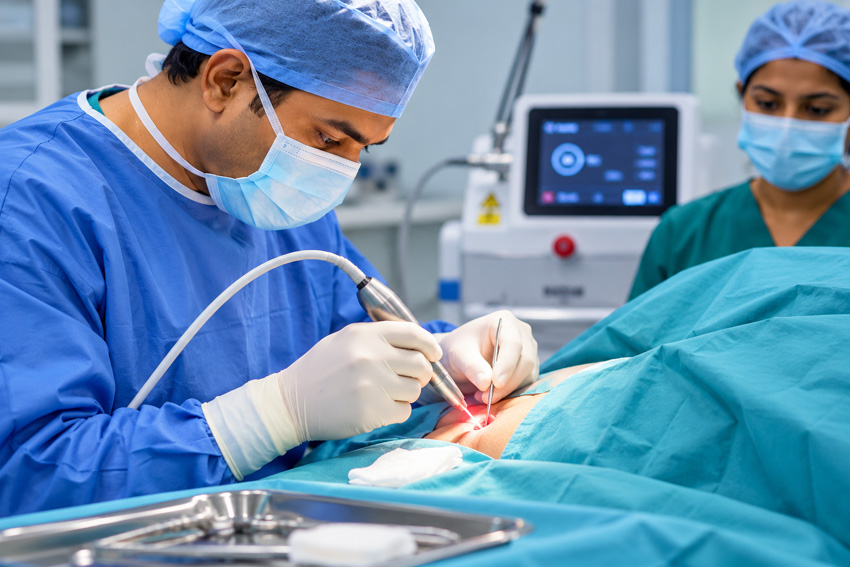
Laser-assisted procedures use focused laser energy to target selected hemorrhoidal tissue with precision.
For suitable cases, these techniques may reduce the need for larger surgical incisions and may support a more comfortable postoperative recovery.
Laser procedures are not appropriate for every hemorrhoid grade, and treatment selection depends on specialist evaluation.
Hemorrhoid Surgery
Effective Management of Advanced Piles
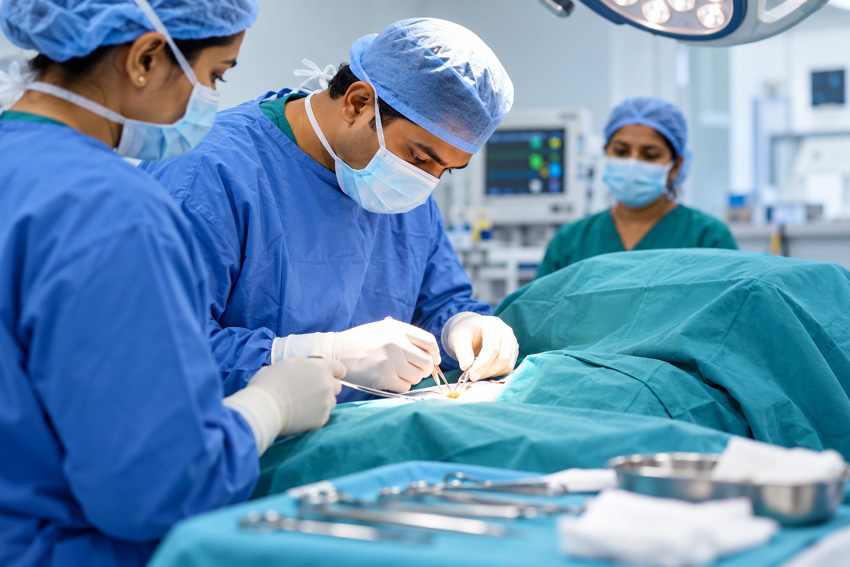
For severe, recurrent or prolapsed hemorrhoids, surgical treatment may be necessary.
Hemorrhoidectomy involves removing symptomatic hemorrhoidal tissue and remains an established treatment option for advanced cases, including certain Grade III and Grade IV hemorrhoids.
Our approach focuses on appropriate surgical planning, patient safety, pain management and postoperative support.

Cautery Surgery
Controlled Energy-Based Surgical Care
Cautery and electrosurgical methods use controlled energy to treat tissue and help manage bleeding during selected surgical procedures.
These techniques can support precision and effective tissue management when used by trained surgeons as part of an appropriate treatment plan.
Modern Piles Care with a Focus on Recovery
- One-Day Procedure
Selected patients may be eligible for day-care piles treatment, allowing the procedure and discharge to take place on the same day.
We aim to minimise unnecessary hospital stays while ensuring adequate postoperative observation, medical safety and discharge assessment.
- Affordable Treatment
We understand the importance of balancing quality medical care with affordability.
Our treatment planning emphasises appropriate procedures, necessary hospitalisation and transparent discussions about the expected course of care.
- Well-Equipped Surgical Facilities
Thoppil Hospital focuses on specialised piles care through suitable surgical technologies, trained medical professionals and individualised treatment planning.
Our facilities support clinical evaluation, procedural care and postoperative monitoring.
Understanding Piles and Hemorrhoids
Piles, medically known as hemorrhoids, are swollen vascular structures in the lower rectum or around the anus. They may develop internally or externally and can cause considerable discomfort when symptomatic.
Common Symptoms of Piles
- Bleeding during or after bowel movements
- Pain, itching or irritation around the anus
- Swelling or a lump near the anal opening
- Protrusion of tissue during bowel movements
- Discomfort while sitting or passing stools
Constipation, excessive straining, prolonged sitting on the toilet, pregnancy and other factors may contribute to hemorrhoidal symptoms.
Early medical assessment can help identify the cause and determine whether lifestyle changes, medication, office-based treatment or surgery is appropriate.
Rectal bleeding should always be medically evaluated, as it may have causes other than hemorrhoids.
Specialised Care for Anal Conditions
Anal Fissure
An anal fissure is a small tear in the lining of the anus that commonly causes sharp pain during bowel movements and sometimes bleeding.
Treatment may involve bowel habit modification, prescribed medications and surgical procedures for persistent cases.
Anal Fistula
An anal fistula is an abnormal tunnel between the anal canal and the skin near the anus, often associated with recurrent infection or discharge.
Careful clinical evaluation helps determine the appropriate surgical approach while prioritising preservation of normal bowel control.
Other Anorectal Conditions
Persistent anal swelling, pain, itching, discharge or unexplained bleeding may indicate conditions requiring specialist examination and personalised treatment.
A Personalised Approach to Piles Treatment
Clinical Assessment
Evaluation of symptoms, medical history and hemorrhoid severity to establish an accurate diagnosis.
Treatment Planning
Selection of suitable medical, minimally invasive or surgical treatment based on clinical findings and patient needs.
Procedural Care
Treatment with an emphasis on safety, appropriate anaesthesia, pain control and careful postoperative monitoring.
Recovery & Follow-Up
Individual guidance on hygiene, diet, bowel habits, activity levels and follow-up care to support healing.